Project overview / G-Loot
Designing for acquisition, engagement and conversion
Product design and business-development work for a rapidly growing esports platform, connecting player research with hypothesis-driven experiments and growth goals.
inside the noise.
01 / Challenge
Grow the business without losing sight of player value.
G-Loot was growing rapidly, supporting approximately twenty games and around half a million active users while preparing for an investment round. The product aimed to make competitive gaming accessible to more players.
The team needed to improve the beta and wider product while learning what influenced acquisition, engagement and conversion. Decisions had to work for players, stand up to experimentation and support the business plan.
How might we turn player needs into product decisions that improve both the experience and measurable business performance?
02 / My role
Represent design where product and growth decisions met.
I worked with the design team across user and market research, concepts, wireframes, interviews, usability testing and iterative interface design. I helped evaluate the beta and shape a broader product redesign.
I also represented design in a cross-functional business-development team focused on acquisition, conversion and the business plan. My role connected player evidence with developers, product leaders, founders and commercial stakeholders; experiment ownership and final business decisions were shared.
- Owned
- Research, concepts, user flows and interface design
- Influenced
- Product redesign, hypotheses and growth opportunities
- Collaborated
- Design, development, product leadership, founders and business development
03 / Process & approach
Use qualitative and quantitative evidence together.
- 01
Understand players and the market
Interviews, usability testing and market research examined how players understood the beta, where participation became difficult and what made competitive play valuable.
- 02
Turn evidence into hypotheses
Player needs and business priorities became focused opportunities for acquisition, engagement and conversion rather than a broad list of interface changes.
- 03
Design experiments, not just screens
Concepts, flows and UI variations made each hypothesis testable. A/B tests supplied quantitative evidence alongside qualitative learning.
- 04
Bring decisions back to the product
Results were interpreted with the cross-functional team and used to inform iteration, stakeholder discussions and wider product direction.
- ObserveWhere does participation break down?
- FrameWhich behaviour should change?
- MakeTurn the hypothesis into a testable experience.
- MeasureRead the result with player context.
04 / Key design decisions
Connect each interaction to player and business value.
05 / Deliverables
Design work that could inform both product and growth.
Player understanding
- Market and user research
- Interview and usability findings
- Beta-experience evaluation
Product design
- Concepts, user flows and wireframes
- Iterative interface designs
- Product-redesign contribution
Experimentation
- Growth hypotheses
- A/B-test and experiment designs
- Recommendations for acquisition and conversion
06 / Selected product evidence
A redesigned experience shaped through experimentation.
The work contributed to a broader product redesign and a more evidence-led approach to growth. Player journeys and interface concepts were developed alongside experiments for acquisition, engagement and conversion.
A small number of interface fragments show where the hypotheses became tangible. They provide product context without turning the case into a UI gallery.
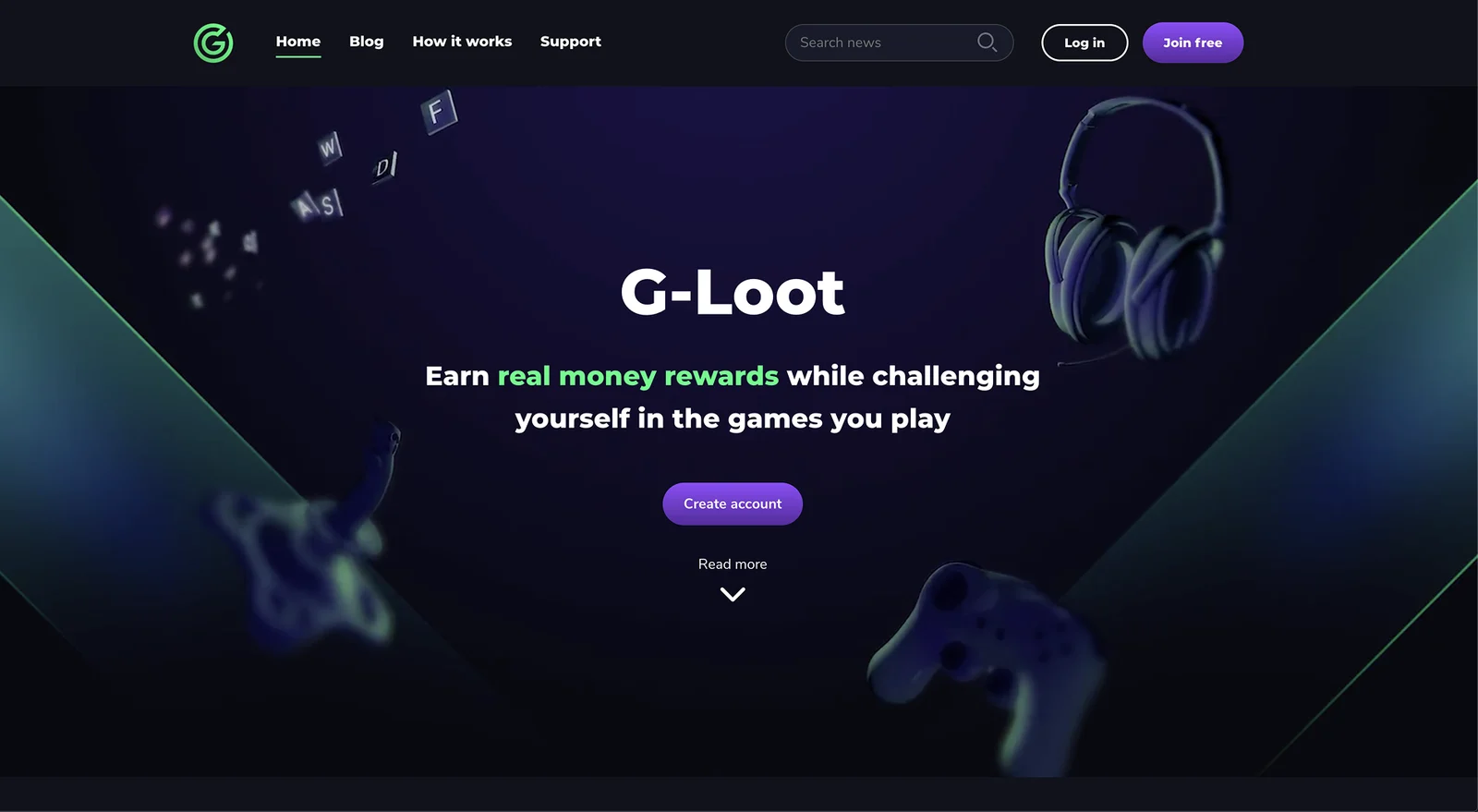
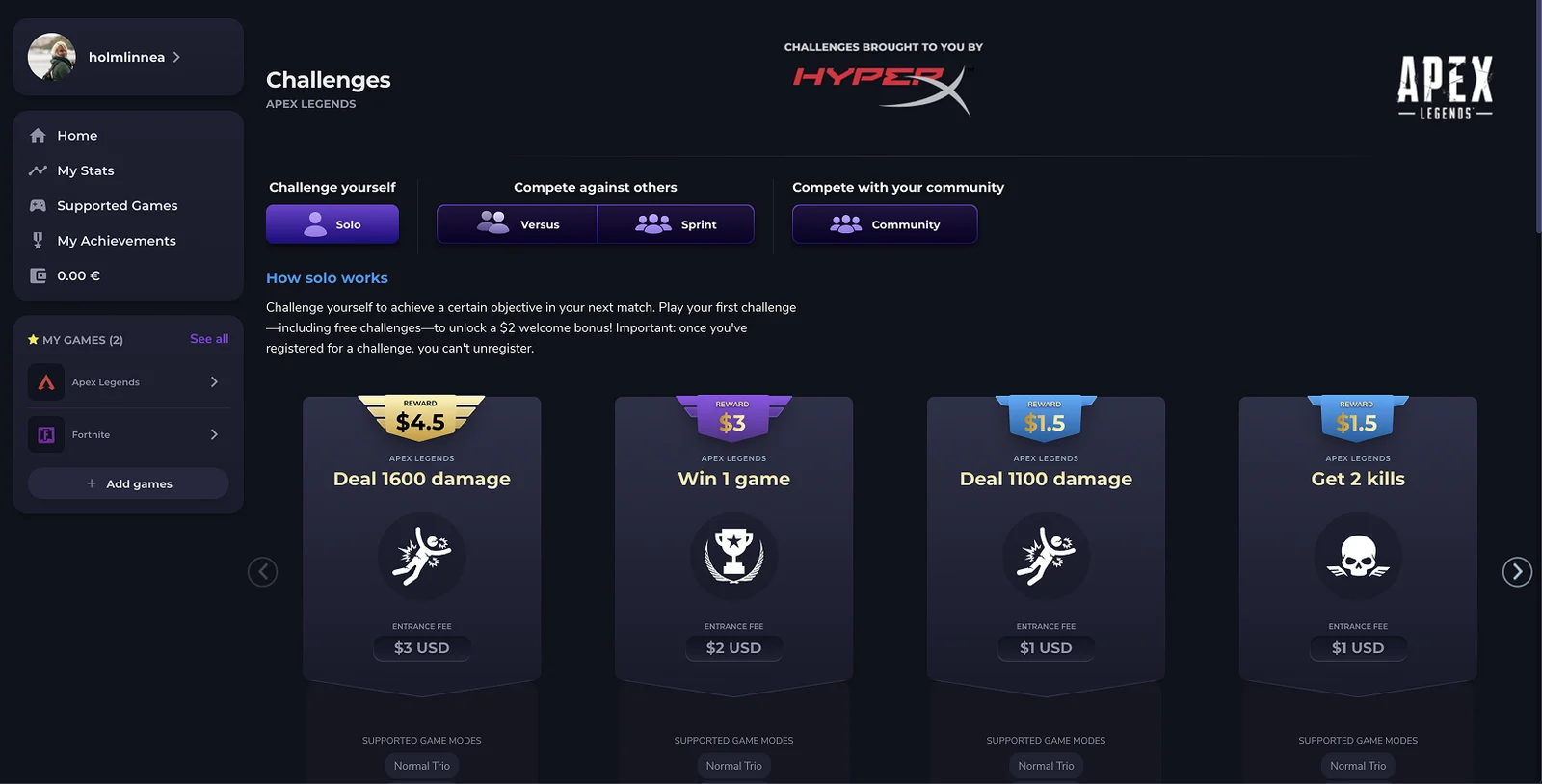
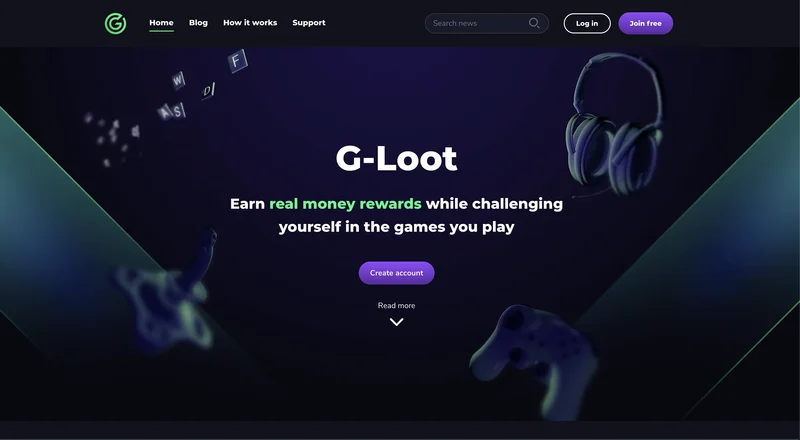
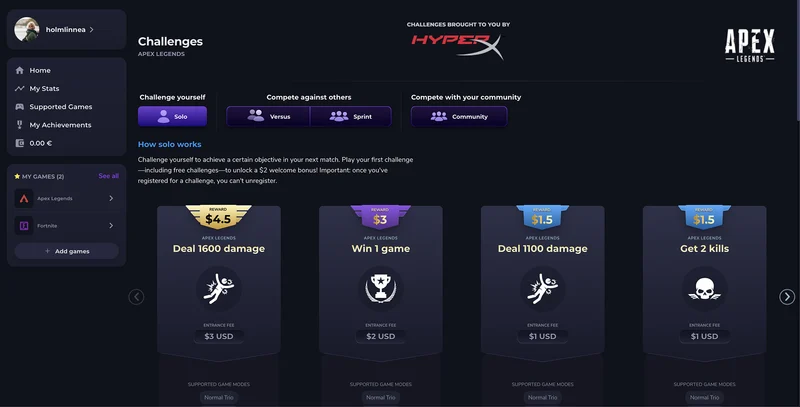
Selected interface moments show where acquisition and engagement hypotheses became tangible.
07 / Impact
Design became part of measurable business development.
The supplied engagement summary reports improvements in qualitative and quantitative KPIs. Specific experiment data is unavailable, so no numerical uplift or individual experiment result is claimed.
Player experience impact
Research and iterative design informed the beta evaluation and wider product redesign.
Business impact
Design hypotheses and A/B testing contributed evidence for acquisition and conversion work.
Product & organisation impact
Design gained representation in the cross-functional business-development team and stakeholder decision-making.
08 / Reflection
What I took from this project
Experiments are most useful when the question is clear and the numbers stay connected to human behaviour. Design can bridge that gap by making hypotheses tangible and results meaningful.